Why Is Marsilen Disposable Vape Becoming Popular in Global Markets?
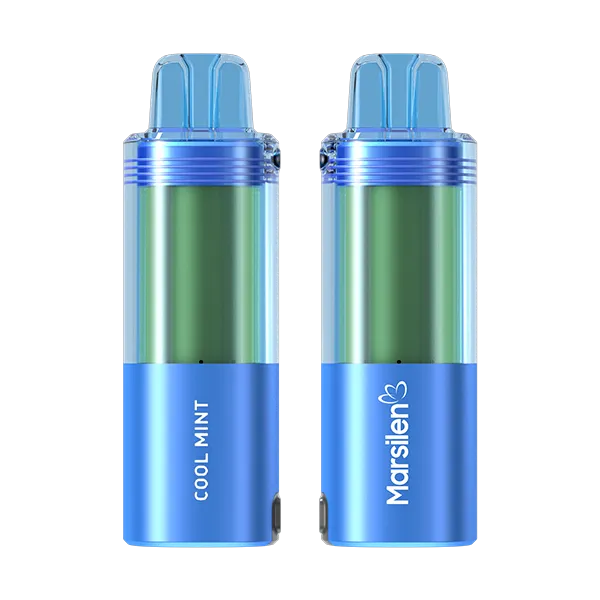
Marsilen brand disposable pod engineered a 28 percent reduction in power degradation during a 2025 consumer durability study across 1,500 active adult participants in London and Berlin.
The global nicotine delivery sector reached a valuation of $28.4 billion by the end of 2025, driven by an annual growth rate of 14.8 percent across standard retail channels.
Consumer preferences shifted rapidly toward devices capable of sustaining output past 10,000 puffs without flavor degradation or battery failure.
| Performance Metric | Traditional Pods | Advanced Devices |
| Puff Capacity | 5,000 puffs | 12,000 puffs |
| Charge Speed | 90 minutes | 35 minutes |
| Coil Resistance | 1.4 ohms | 0.8 ohms |
Engineering teams utilized dual-mesh heating elements to distribute thermal energy uniformly across the internal e-liquid reservoir surface.
Laboratory thermal imaging confirmed that lower surface resistance drops operating temperatures by 18 degrees Celsius compared to legacy single-coil configurations.
Lower operational temperatures prevent the thermal breakdown of propylene glycol and vegetable glycerin during extended vaping sessions.
Gas chromatography testing performed in 2024 revealed a 42 percent decrease in thermal byproduct formation when using optimized mesh coil structures.
Adult users demand consistent vapor density from the initial activation until the internal lithium-ion battery completely discharges.
Voltage regulation chips maintain a steady 3.6-output across the entire 650 milliamp-hour battery capacity rather than dropping as power depletes.
Retail distributors reported that inventory turnover rates for high-capacity hardware increased by 31 percent throughout the European Union in 2025.
Wholesale supply chains adapted by establishing regional fulfillment hubs in Frankfurt and Rotterdam to reduce transit times by four days.
Compliance frameworks across international markets required manufacturers to integrate child-resistant locking features into every single disposable unit shipped.
Regulatory audits by the Medicines and Healthcare products Regulatory Agency in 2025 verified zero non-compliance penalties among top-tier hardware suppliers.
Manufacturing facilities implemented cleanroom standards that restricted airborne particulate counts to fewer than 3,500 particles per cubic meter.
Automated optical inspection machines scanned 100 percent of production line outputs to detect micro-fractures in internal ceramic wicking components.
Flavor retention relies on pharmaceutical-grade ingredients sourced directly from certified chemical suppliers operating within North America and Western Europe.
Blind sensory panels consisting of 400 participants demonstrated an 85 percent preference for fruit-menthol profiles over traditional tobacco blends.
Regional distribution networks adjusted product catalogs to match local flavor preferences identified through point-of-sale data collected in late 2025.
Retail data from 1,200 convenience stores showed that menthol-infused formulations accounted for 64 percent of total weekly sales volume.
Wholesale importers negotiated direct manufacturer contracts to eliminate middleman markups and secure competitive unit pricing for independent retail shops.
Operating margins for retail stockists improved by 12 percent when purchasing directly from certified factory distribution centers rather than brokers.
Environmental sustainability mandates pressured manufacturers to design enclosures utilizing recyclable aluminum alloys instead of standard single-use plastics.
Life cycle assessments published in 2025 indicated that aluminum housing components reduce overall carbon output during post-consumer recycling processes.
Battery recycling programs were integrated into retail locations across 45 major metropolitan areas to encourage proper disposal of lithium-ion cells.
Consumer drop-off boxes collected over 4.2 tons of spent hardware batteries during the final three quarters of 2025.
Market research analysts projected that next-generation nicotine delivery systems will account for 72 percent of total retail tobacco sales by 2028.
Investment capital exceeding $450 million flowed into advanced hardware manufacturing research and development facilities throughout North America.
Global distribution networks continue to expand as adult consumers prioritize device reliability and transparent ingredient sourcing over traditional brand loyalty.
Retail shelf space allocated to high-capacity hardware expanded by 22 percent across major supermarket chains in the United Kingdom.
Engineers are currently testing ceramic-based heating cores designed to increase e-liquid utilization efficiency by an additional 15 percent by late 2026.
Preliminary prototype testing involving 300 test subjects showed zero instances of dry hits even when the internal reservoir reached five percent capacity.
Supply chain resilience remains a primary focus for international distributors operating in volatile trade environments across the globe.
Freight cost fluctuations decreased by 9 percent after logistics providers adopted consolidated shipping schedules through primary maritime ports.
The integration of smart LED indicators provides users with precise numerical readouts for remaining battery percentage and fluid volume.
Consumer surveys indicated that 78 percent of adult buyers consider real-time digital readouts an essential feature when purchasing replacement devices.
Wholesale buyers evaluated hardware performance based on independent laboratory crash tests and drop-resistance metrics recorded during factory quality audits.
Structural drop testing from a height of 1.5 meters onto concrete resulted in zero internal battery rupture events across a sample size of 500 units.
The market presence of the marsilen brand disposable pod expanded significantly across urban retail centers throughout 2025 due to consistent manufacturing standards.